Construction & QS
What a Quantity Surveyor Actually Does on a Development Project
6 min read
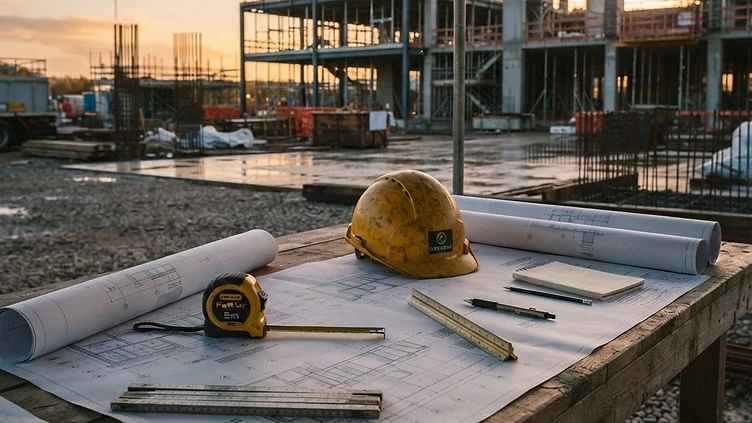
Discover how a Quantity Surveyor protects your commercial development profits through rigorous cost planning, contract negotiation, and proactive risk management.
Demystifying the Quantity Surveyor’s Role in Development
For many investors, the construction phase of a commercial development is the most nerve-wracking stage of the lifecycle. Capital is locked into a project, contractors are on site, and the risk of cost overruns is ever-present. This is where the Quantity Surveyor (QS) becomes your most critical asset. Often misunderstood as mere 'bean counters,' a skilled QS is a commercial manager who protects your project’s margins from inception to completion.
Pre-Construction: Cost Planning and Feasibility
Before a single spade hits the ground, the QS is essential for setting the financial architecture of the project. They perform 'cost planning,' which involves providing detailed estimates based on initial designs. This is not a guess; it is a rigorous breakdown of every component, from structural steel to landscaping.
By comparing design choices against current market rates for materials and labour, the QS ensures the project is viable before you commit to significant capital expenditure. They also advise on the most suitable procurement route—whether that is a traditional fixed-price contract, a design-and-build contract, or a management contract. Choosing the wrong route can lead to unnecessary risk exposure, and this is where expert guidance from those specialising in construction and quantity surveying ensures your interests are prioritised.
Tender Stage and Contract Negotiation
Once the design is finalised, the QS prepares the 'Bill of Quantities' (BoQ). This is a comprehensive document listing every item required for the build. Contractors use this to submit their tenders, ensuring that you are comparing 'apples with apples' when reviewing bids. Without a BoQ, you are often looking at vastly different interpretations of your project specifications.
During the negotiation phase, the QS challenges the contractor's pricing. They look for anomalies, potential omissions, or inflated rates. Because they understand current market volatility—such as fluctuations in the cost of raw materials like timber or steel—they can negotiate on your behalf to secure a fair market price that still allows the contractor to perform their duties effectively.
Construction: The Role of the Employer’s Agent
Once work commences, the QS often pivots into the role of the 'Employer’s Agent' or Contract Administrator. This involves monitoring progress to ensure that the work on site aligns with the contractual schedule and the quality standards agreed upon. They process monthly valuations, confirming that the contractor is only paid for work that has been physically completed to the required standard.
This monthly 'check and balance' prevents over-payment, which is one of the most common causes of project failure in the UK. If a contractor runs into trouble, the QS will have already flagged it through an analysis of the cash flow versus the progress, giving you the time to intervene before the project stalls.
Change Control and Risk Mitigation
No construction project in the UK ever goes exactly to plan. Unexpected ground conditions, planning amendments, or changes in supply chain availability will inevitably occur. This is where the QS manages 'variations'—changes to the original scope. They evaluate the cost impact of these changes instantly, ensuring that you understand the financial consequences of a decision before it is finalised. By managing the change control process, the QS ensures that the budget remains under your control, rather than drifting as the project progresses.
The Final Account and Handover
When the building is practically complete, the QS moves to settle the 'final account.' This is the formal reconciliation of all costs incurred during the project, accounting for variations, adjustments, and the release of retention monies—a percentage of the contract price held back as security until the contractor has rectified any defects. Settling the final account accurately is vital to ensure that no lingering commercial disputes impact your ability to operate or refinance the asset.
Key takeaways
- A QS does far more than count materials; they provide the financial oversight necessary to protect project margins and prevent cost overruns.
- Early engagement with a QS during the feasibility stage allows for accurate cost planning that reflects real-world market conditions.
- During construction, the QS acts as your gatekeeper, ensuring that payments are only made for completed, quality-assured work.
- Effective change management throughout the build prevents the 'budget creep' that often plagues commercial developments.