Development finance
Funding for heavy refurbishment and ground-up development — senior and mezzanine debt structured around your build programme, with staged drawdowns released as the works progress and the facility sized to your LTGDV.
How development finance works
We don't just find you a development loan — we structure the senior and mezzanine debt around your build programme and manage the lender through to completion.
Initial Consultation
Tell us about your scheme — the site, the build costs, the GDV, and your timeline. We review the numbers and confirm what is achievable — no obligation.
We Structure the Deal
We match your scheme to the right lender and product — heavy refurb or ground-up — and structure the senior debt around your build programme and exit.
Application & Completion
We handle the paperwork, submit your application, and manage the lender through to completion — coordinating staged drawdowns as the works progress.
Two routes, one lender panel
We search the whole-of-market specialist panel to find the right development product for your scheme — whether you are taking on a heavy refurbishment or building from the ground up.
Up to 70% LTGDV
Heavy Refurbishment
Development finance for heavy refurbishment projects — structural work, conversions, extensions, and changes of use. Funding covers the purchase and the build costs, with the facility released in tranches as the works progress.
- Funds purchase and build costs together
- Released in tranches against works
- Up to 70% of LTGDV (loan to gross development value)
- Covers structural work and conversions
Up to 65% LTGDV
Ground-Up Development
Senior debt for ground-up new builds — from single units to small residential or mixed-use schemes. The facility is structured around your build programme, with professional monitoring and staged drawdowns.
- Loans from £1m - £30m
- Senior debt structured around your scheme
- Staged drawdowns against build programme
- Up to 65% of LTGDV on ground-up schemes
Typical development finance terms
| Max LTGDV | Up to 70% (heavy refurb) · 65% (ground-up) |
| Typical loan size | £1,000,000 – £30,000,000 |
| Term | 6–24 months |
| Drawdowns | Staged against build programme |
| Interest type | Rolled-up or serviced |
| Exit strategy | Refinance, sale, or hold-to-let |
High street and specialist lenders
Most development brokers only have access to specialist lenders. We also work directly with high street banks like Lloyds and Barclays — giving your scheme a wider panel and more competitive terms.








Example development deals
Structural conversion in Harpenden
Heavy refurb finance funded the purchase and structural conversion of a commercial building into mixed-use units.
New-build scheme in Bedford
Senior debt for a ground-up residential development, structured around the build programme with staged drawdowns.
Mixed-use scheme in Luton
Development finance for a mixed-use scheme with commercial ground floor and residential above.
Example deals are illustrative and based on typical transactions we arrange.
Serving London & the Home Counties
We source off-market property, arrange specialist finance and provide advisory services across London and the Home Counties — with deep, location-specific market knowledge in every area we cover.
Development finance FAQs
What is LTGDV and how much can I borrow?
LTGDV (loan to gross development value) is the lender's maximum lending expressed as a percentage of the scheme's end value once complete. Heavy refurb typically goes up to 70% LTGDV, while ground-up development is usually up to 65% LTGDV. The facility covers the purchase and the build costs, with the total debt held within that LTGDV ceiling.
What is the difference between heavy refurb and ground-up development?
Heavy refurbishment involves substantial structural work to an existing building — extensions, conversions, or changes of use — but starts from an existing structure. Ground-up development means demolishing any existing building and constructing new from the ground up, or building on a cleared site. Both can be funded through development finance, with the facility structured around the build programme.
How are the funds released during the build?
Development finance is released in tranches (staged drawdowns) against the works. Each stage is typically monitored by a surveyor who signs off the completed work before the next tranche is released. This protects both you and the lender, and means you only draw down funding as the build progresses.
Book your initial consultation
Tell us about your scheme and we'll match you to the right development product — no obligation.
Development insights


Heavy Refurb vs Ground-Up Development: Which Loan Fits
Navigating commercial property investment? Compare the funding structures of heavy refurbishment and ground-up development to find the right fit for your strategy.


Loan-to-GDV and Loan-to-Cost Explained
Master the fundamentals of development finance by understanding how LTGDV and LTC work together to dictate your project's capital structure and funding limits.

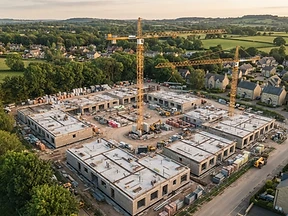
Staged Drawdowns: How Development Funding Actually Releases
Master the complexities of staged drawdowns in development finance. Learn how site monitoring and milestone management impact your UK property project's cash flow.


Development Finance Exit Routes: Refinance, Sell or Hold
Explore the three primary exit routes for UK commercial development finance: refinancing, selling, and holding. Learn how to align your loan with your exit.

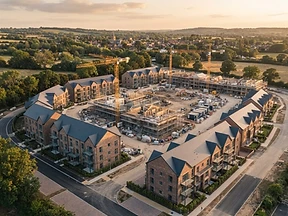
Ground-Up Development from £1m–£30m: What Lenders Look For
Learn what lenders demand for £1m–£30m ground-up developments, including the importance of track record, GDV stress-testing, and professional team selection.


Planning Gain and How It Affects Development Finance
Discover how planning gain impacts your development finance, from de-risking your project to securing more competitive lending terms for your UK property deals.
Heavy Refurb vs Ground-Up Development: Which Loan Fits
Navigating commercial property investment? Compare the funding structures of heavy refurbishment and ground-up development to find the right fit for your strategy.
Loan-to-GDV and Loan-to-Cost Explained
Master the fundamentals of development finance by understanding how LTGDV and LTC work together to dictate your project's capital structure and funding limits.
Staged Drawdowns: How Development Funding Actually Releases
Master the complexities of staged drawdowns in development finance. Learn how site monitoring and milestone management impact your UK property project's cash flow.
Development Finance Exit Routes: Refinance, Sell or Hold
Explore the three primary exit routes for UK commercial development finance: refinancing, selling, and holding. Learn how to align your loan with your exit.
Ground-Up Development from £1m–£30m: What Lenders Look For
Learn what lenders demand for £1m–£30m ground-up developments, including the importance of track record, GDV stress-testing, and professional team selection.
Planning Gain and How It Affects Development Finance
Discover how planning gain impacts your development finance, from de-risking your project to securing more competitive lending terms for your UK property deals.
Heavy Refurb vs Ground-Up Development: Which Loan Fits
Navigating commercial property investment? Compare the funding structures of heavy refurbishment and ground-up development to find the right fit for your strategy.
Loan-to-GDV and Loan-to-Cost Explained
Master the fundamentals of development finance by understanding how LTGDV and LTC work together to dictate your project's capital structure and funding limits.
Staged Drawdowns: How Development Funding Actually Releases
Master the complexities of staged drawdowns in development finance. Learn how site monitoring and milestone management impact your UK property project's cash flow.
Development Finance Exit Routes: Refinance, Sell or Hold
Explore the three primary exit routes for UK commercial development finance: refinancing, selling, and holding. Learn how to align your loan with your exit.
Ground-Up Development from £1m–£30m: What Lenders Look For
Learn what lenders demand for £1m–£30m ground-up developments, including the importance of track record, GDV stress-testing, and professional team selection.
Planning Gain and How It Affects Development Finance
Discover how planning gain impacts your development finance, from de-risking your project to securing more competitive lending terms for your UK property deals.